OCD and intrusive thoughts therapy, with ERP
Unwanted thoughts, images or urges that feel shameful or frightening, and the checking, reassurance‑seeking or mental rituals that follow. OCD is far more common than people realise, and it responds well to the right treatment.
Written and reviewed by Ben White, MBACP (Accred) · Last reviewed
£80 · 50 minHackney, Peckham, East Dulwich or onlineMBACP (Accred)
 BACP accreditedMBACP (Accred) · no. 401198
OCD & intrusive thoughts therapy in London: quick facts
- What it is
- Integrative counselling for OCD, including exposure and response prevention (ERP), for adults aged 18 and over.
- Approaches
- Exposure & response prevention, Cognitive behavioural therapy
- Where
- Hackney E8, Peckham SE15, East Dulwich SE22, or online across the UK
- Cost
- £80 per 50-minute session. Free 20-minute intro call first.
- Therapist
- Ben White, MBACP (Accred), BACP no. 401198
- How to start
- Book a free intro call online, call or text 07498 520 911, or send a message.
What it can feel like
Obsessive‑compulsive disorder (OCD) involves two parts: obsessions, which are unwanted and distressing thoughts, images or urges, and compulsions, which are the things you do to make the distress go away. Compulsions can be visible, like checking or washing, or entirely in your head, like reviewing, praying, counting or arguing with the thought.
Intrusive thoughts often target what matters most to you: harming someone you love, acting against your values, contamination, relationships, sexuality or religion. Because they feel so opposite to who you are, they can be terrifying, and many people carry them silently for years.
Having an intrusive thought does not mean you want it, or that it says anything about your character. Nothing you bring will shock me.
- Intrusive thoughts
- Checking or counting
- Seeking reassurance
- Mental reviewing
- Avoiding triggers
- Needing things “just right”
- Fear of harm
- Contamination worries
You don’t need a diagnosis, or to have it all worked out, to start.
Calm, collaborative and evidence‑based
Exposure and response prevention (ERP) is the most strongly evidenced psychological treatment for OCD, and it is what NICE recommends at the core of CBT for OCD. Together we build a ladder of situations and thoughts, from the mildest to the hardest, and climb it at your pace, learning to let the anxiety rise and fall without the rituals.
Nothing is sprung on you. Every step is agreed in advance, and we spend time understanding your OCD before any exposure begins. I combine ERP with a warm, non‑judgemental space, because OCD thrives on shame and secrecy.
If you’re not sure whether what you’re experiencing is OCD, that’s fine. The intro call is a low‑pressure place to describe it and ask questions.

OCD & intrusive thoughts therapy in Hackney, Peckham and East Dulwich
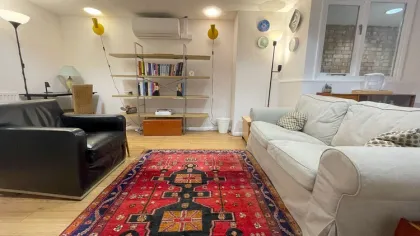
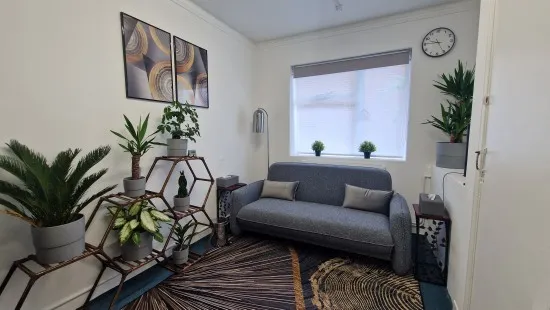
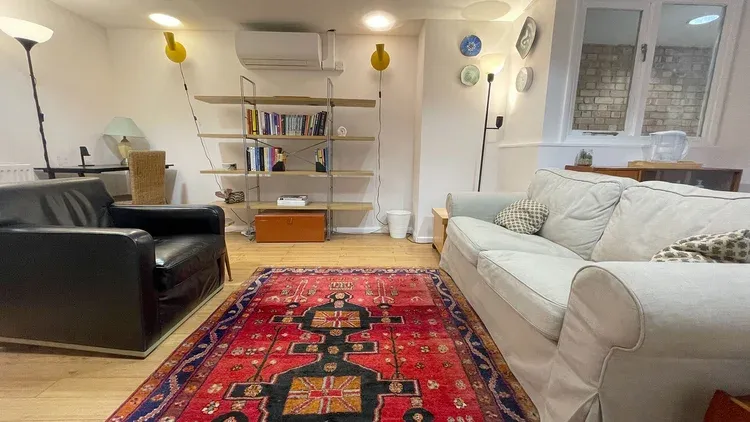
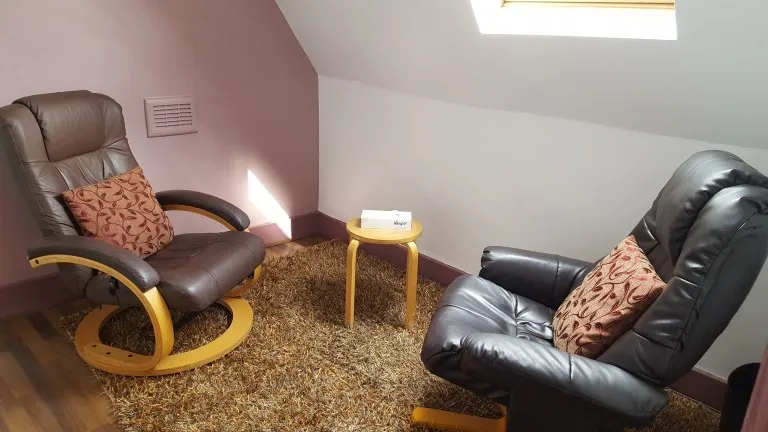
Three private therapy rooms across East and South East London, with online sessions available anywhere in the UK.
What is ERP?
Exposure and response prevention means gradually approaching the thoughts and situations that trigger your OCD while resisting the compulsions. Over time the brain learns that the feared outcome doesn’t happen, or that the anxiety can be tolerated, and the OCD loses its grip.
Do you work with “Pure O”?
Yes. So‑called Pure O usually involves mental compulsions such as reviewing, reassurance‑seeking in your head or neutralising thoughts. ERP works with these too.
Is ERP frightening?
It can feel challenging, but it is always graded and agreed. We start with something manageable, and you are in control of every step.
How much does OCD therapy cost in London?
Sessions with Ben White are £80 for 50 minutes, in person in Hackney, Peckham or East Dulwich, or online. The first step is a free 20-minute intro call, with no obligation.
Where can I have OCD therapy in London?
In private therapy rooms in Hackney (E8), Peckham (SE15) and East Dulwich (SE22), or by secure video anywhere in the UK. Weekday daytime and evening appointments are available.