Cognitive behavioural therapy (CBT)
Looks at the links between what we think, feel and do. Practical and collaborative, with tools you keep using long after therapy ends.
Written and reviewed by Ben White, MBACP (Accred) · Last reviewed

 BACP accreditedMBACP (Accred) · no. 401198
What CBT involves
Cognitive behavioural therapy is one of the most widely researched talking therapies. I am trained in how to use core CBT concepts and techniques to support clients. This way of working focuses on how thoughts, feelings, physical sensations and actions feed into each other, and on finding practical ways to break unhelpful cycles.
CBT is collaborative: we work as a team, set goals together and try things out between sessions. It is usually focused on the here and now, though we will look at the past where it helps make sense of the present. Often this means looking at core beliefs about self that are damaging or negative and contribute to these unhelpful cycles.
- Session
- 50 minutes
- Fee
- £80
- Typical length
- Often 8–16 sessions
- Format
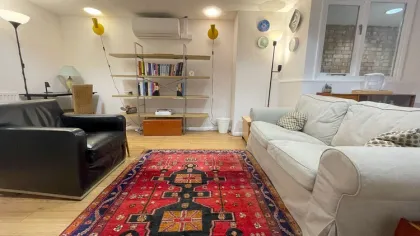
- Hackney, Peckham, East Dulwich or online
CBT can help with
How the work usually unfolds
- 1A free 20‑minute intro call to see whether this fits
- 2We agree what you would like to be different
- 3We map the cycle that keeps the problem going
- 4We try small, agreed experiments between sessions
- 5We review progress together regularly
Is CBT just positive thinking?
No. CBT is about seeing thoughts more accurately, not more positively, and changing the behaviours that keep difficulties going.
Will I have homework?
Usually something small to try between sessions, always agreed together and never imposed.
Can CBT be done online?
Yes. CBT works well by secure video, with the same structure and fee.